
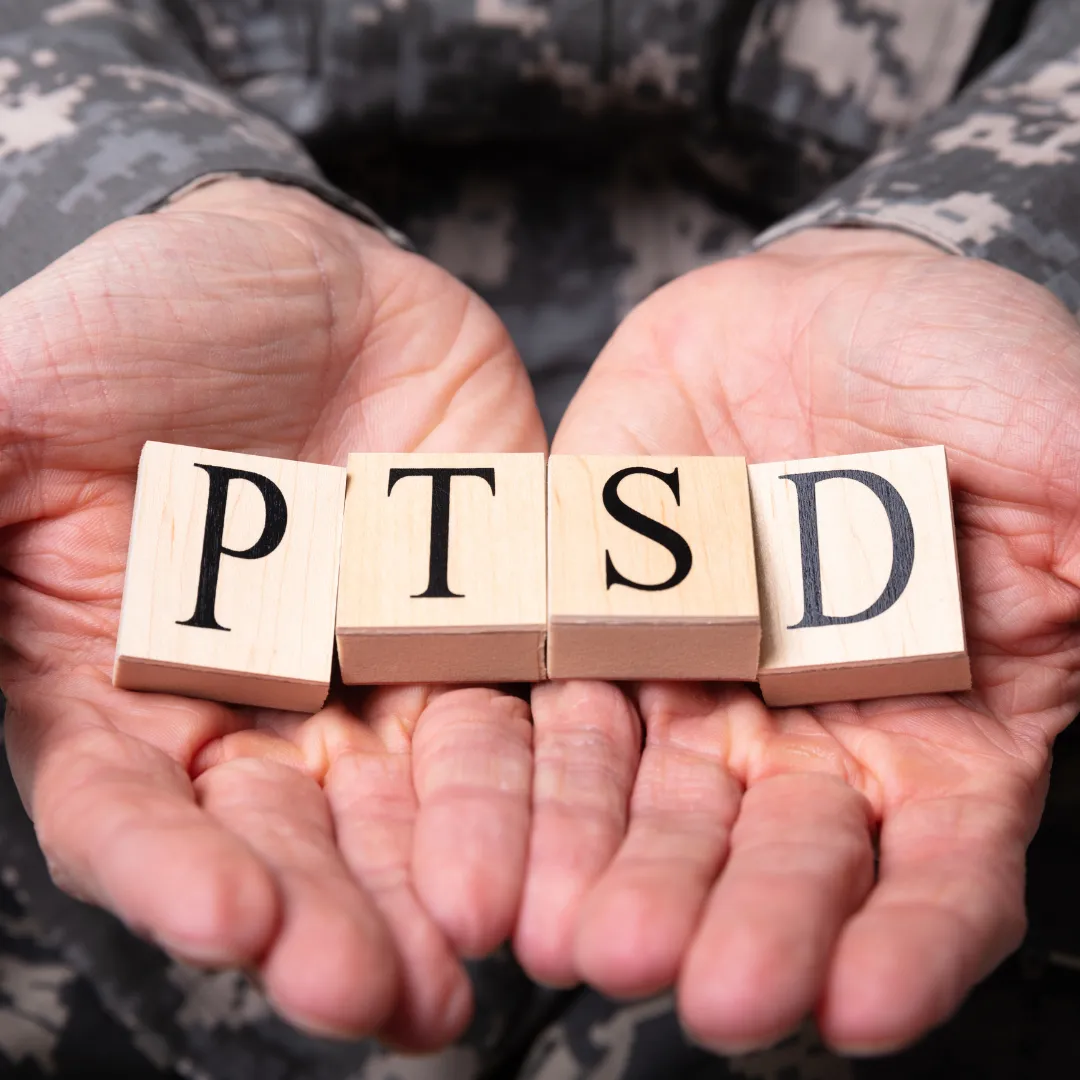
The Silent Battle: Understanding PTSD in Canadian Soldiers and Veterans
What is PTSD?
PTSD can develop after someone experiences or witnesses a life-threatening or deeply traumatic event. For soldiers, this can include combat exposure, seeing others injured or killed, or surviving situations where their own life was at risk. PTSD isn’t a sign of weakness — it's a human response to overwhelming circumstances that no amount of training can fully prepare someone for.
How PTSD Affects Veterans
PTSD can manifest in many ways, including flashbacks, nightmares, hypervigilance, irritability, emotional numbness, and avoidance of anything that triggers painful memories. These symptoms can interfere with daily life, making it difficult to maintain employment, relationships, and a sense of personal well-being.
For many Canadian veterans, the transition back to civilian life is complicated by these struggles. What once felt routine — attending a family gathering, being in a crowded public space, or even driving — can suddenly feel overwhelming or unsafe.
The Stigma Around Seeking Help
Although awareness of PTSD has grown, stigma remains a major barrier. Veterans may fear being seen as “broken” or worry that seeking help will diminish their past service. Some internalize their struggles, trying to “tough it out” instead of reaching for the support they need. This can lead to worsening symptoms, isolation, and, in some tragic cases, self-harm.
Resources and Healing
The good news is that PTSD is treatable. Canada offers a range of support programs for veterans, including therapy options like Cognitive Behavioural Therapy (CBT), EMDR (Eye Movement Desensitization and Reprocessing), medication management, and peer support groups. Early intervention makes a difference — and so does ongoing community support.
Organizations like the Algoma Veterans Association are dedicated to creating safe spaces where veterans can connect with others who understand and access the help they deserve without judgment.
Breaking the Silence
PTSD may be a silent battle, but no veteran should have to fight it alone. By continuing to break the stigma, offering compassionate support, and recognizing the unseen sacrifices of our service members, we can help pave the way toward healing and hope.

Facebook